

Through Another Lens: Seeing South Africa’s Inequality
Over the past several weeks I’ve written about fantastic museums, generous people, unforgettable wildlife, and extraordinary works of art. Those experiences were all wonderful. But there is another South Africa that we encountered almost every day, and it deserves to be acknowledged as well.
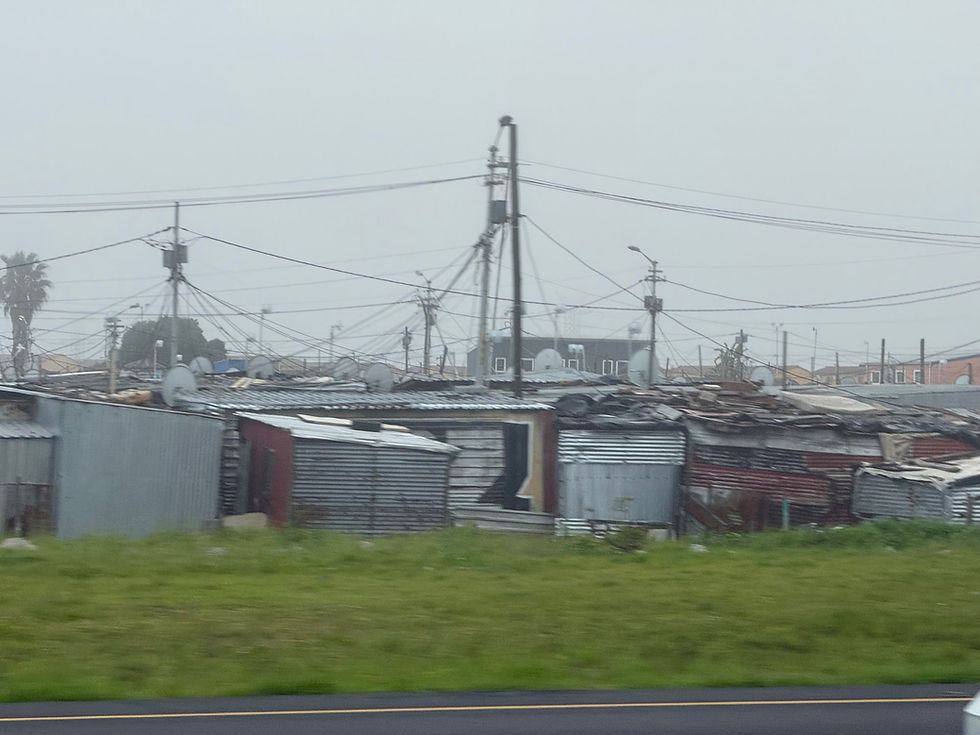
Thirty years after the end of apartheid, South Africa remains one of the most unequal countries in the world. The legal system of racial segregation ended in 1994, but many of its economic and neighborhood divisions remain visible today. South Africa continues to rank among the world’s highest on measures of income inequality, unemployment remains disproportionately high among Black South Africans, and wealth and opportunity are still distributed along lines that often reflect the country’s history.
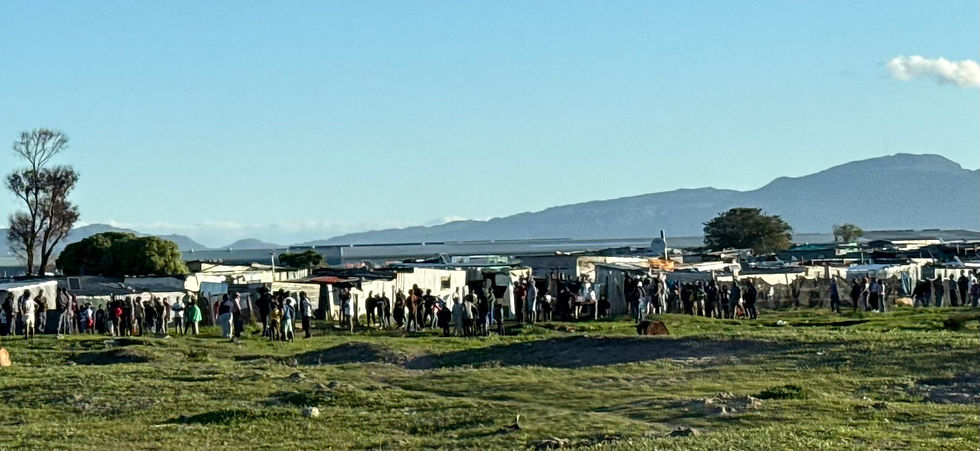

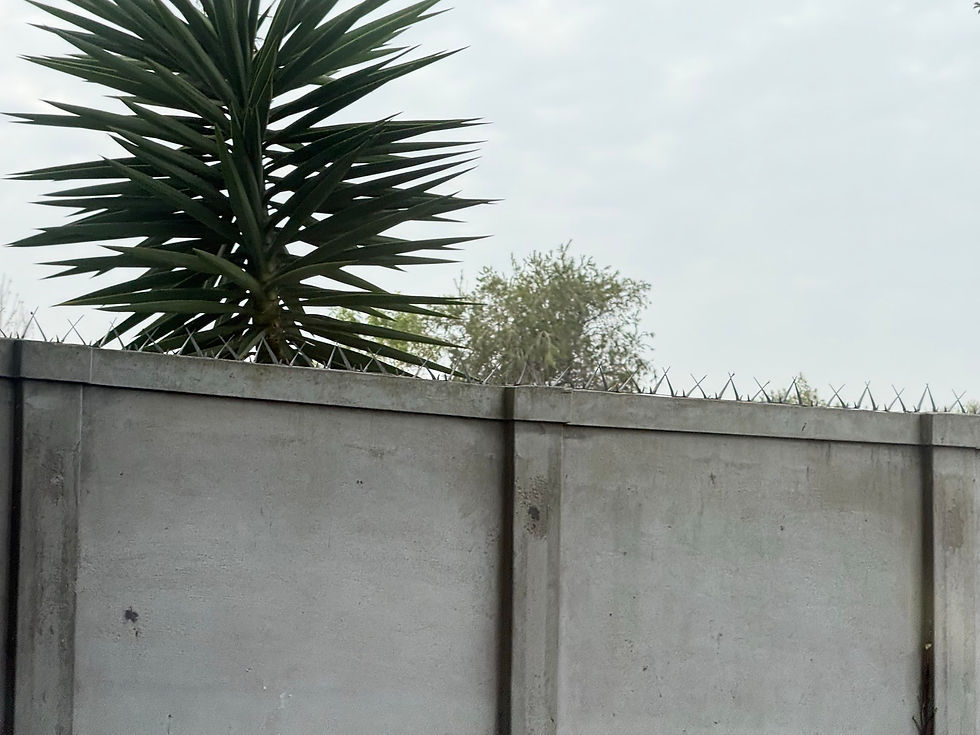
We saw these contrasts almost daily. One moment we would be driving through affluent neighborhoods with beautiful homes, restaurants, and vineyards. Minutes later we would pass sprawling townships where families continue to struggle with inadequate housing and limited economic opportunity. Places like Ballito and parts of Cape Town exist alongside communities still shaped by decades of exclusion. That exclusion is reinforced by almost EVERY higher end property having high walls with either barbed wire or electric fences at the top.

This contrast is not unique to South Africa. We have our own deep inequalities in the United States, many of them rooted in our own history of racial injustice. But seeing these contrasts so visibly woven into the daily landscape made them difficult to ignore.
As an art teacher, I found myself thinking about two South African photographers- one whose work had prepared me for this inequality long before I arrived and another I learned about on the trip.

I had seen David Goldblatt featured on Art21. He believed that ordinary places could reveal extraordinary truths. Instead of sensationalizing apartheid, he photographed the streets, buildings, neighborhoods, and people whose daily lives quietly reflected a system of inequality. His photographs cannot be ignored.
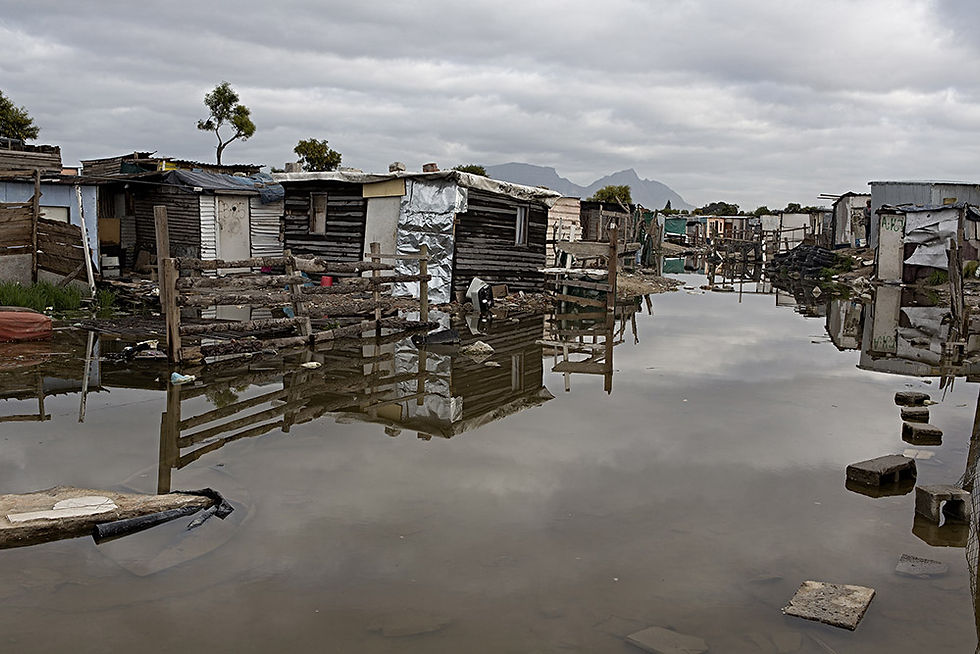
David Lurie’s work continues that tradition today, documenting the complexities of post-apartheid South Africa and the marginalized population through portraits and photographs of communities shaped by migration, labor, and economic change. His work reminds us that the legacy of injustice doesn’t simply disappear because laws change.
Looking through my own camera, I found myself thinking about both photographers. Some of my own photographs capture extraordinary beauty. Others reveal uncomfortable contrasts. Both are true.
Despite these realities, what I will remember most is not despair but possibility. Everywhere we traveled we met people who cared deeply about their communities, their history, and their future. We encountered artists, educators, guides, museum professionals, and complete strangers who welcomed us with remarkable generosity.
South Africa is still writing the next chapter of its story. So are we.

Perhaps this is the point of travel. It reminds us that appreciating a place means embracing both its beauty and its challenges. Holding those truths together doesn’t diminish either one—it deepens our understanding of both.
That is the South Africa I hope to remember: a nation of extraordinary creativity, breathtaking beauty, difficult history yet it remains full of boundless possibilities and enduring hope.


Comments